Quick answer
Start-up finance for a new clinic funds the fit-out, equipment, set-up costs and the ramp-up months of a practice with no trading history. Because there are no past accounts for a lender to rely on, property security is usually needed, with loans from $20,000 to $5,000,000. A realistic budget, a lease, quotes and a month-by-month forecast of how bookings will build are what make a start-up application credible.
Key points
- No trading history means lenders rely on security, your experience and your plan
- The ramp-up period, when costs run ahead of income, is where start-ups run short
- Budget for set-up costs beyond the fit-out: software, marketing, recruitment, fees
- Property-secured loans from $20k to $5m are the usual route
- Loan size
- $20k – $5m secured
- Funds
- Fit-out, equipment, set-up, ramp-up
- Needed
- Lease, quotes, forecast, security
- First step
- 60-second enquiry, no credit check
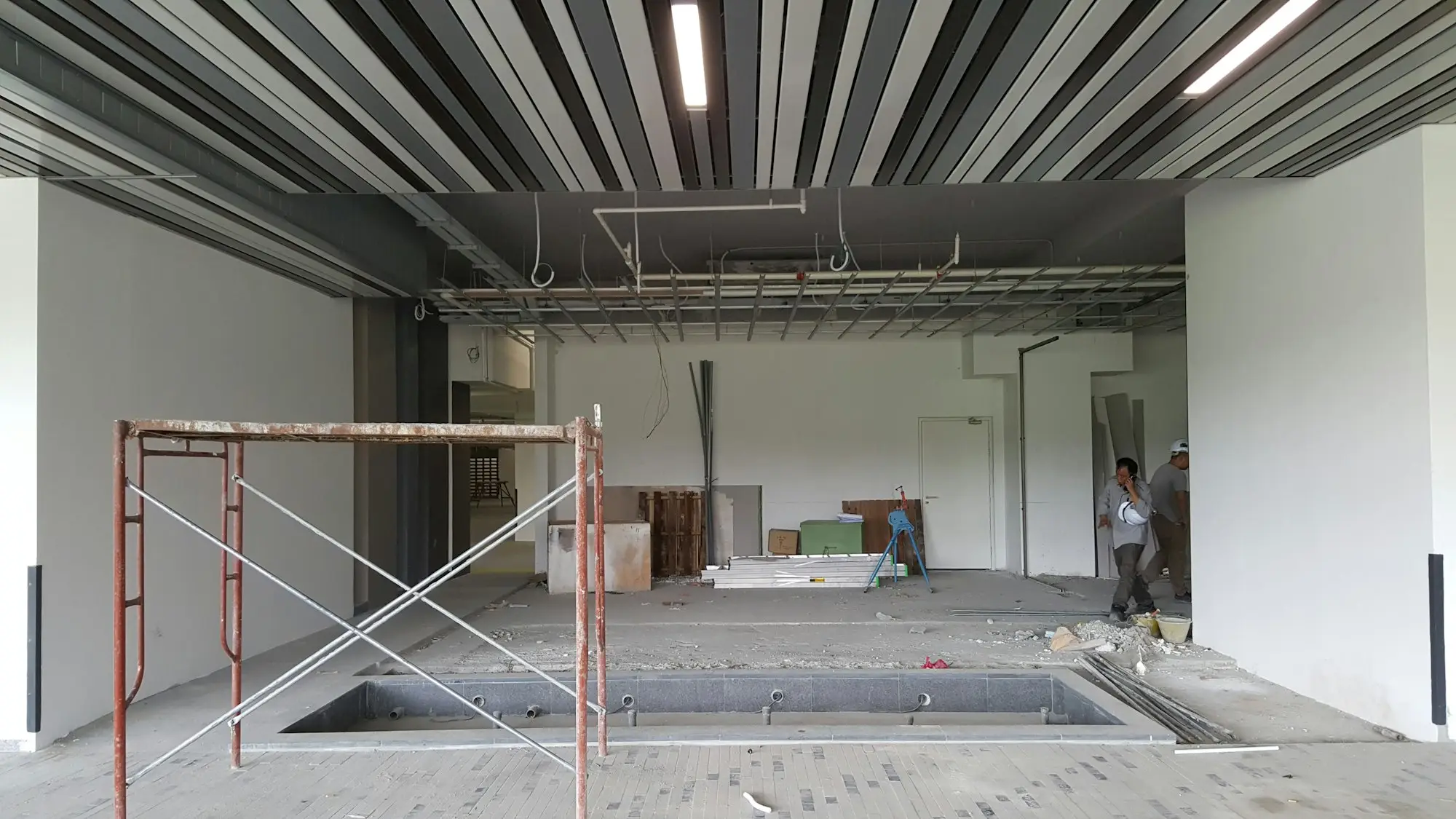
Opening your own practice is the moment years of training turn into something you own. It’s also the moment the finances get real. There’s a fit-out to build, equipment to buy, staff to hire and software to set up, all before the first patient walks in. Then there’s the stretch after opening when the appointment book is only partly full but rent and wages are paid in full. Start-up finance is about getting through both stages with room to spare.
What does a new practice need to fund?
| Stage | Typical costs |
|---|---|
| Before signing | Advice, feasibility, design concepts, lease legal fees |
| Build | Fit-out, services, joinery, approvals, certification |
| Equip | Clinical equipment, furniture, IT, phones, software |
| Launch | Signage, website, marketing, recruitment, training |
| Ramp-up | Wages, rent, insurance, consumables and your own drawings until income catches up |
| Contingency | Delays, variations, slower bookings than planned |
The ramp-up line is the one most often underestimated. A fit-out finished on time and on budget still leaves you short if the patients take longer to arrive than your spreadsheet assumed.
Why is property security usually needed?
Lenders assess a business loan on how it will be repaid. For a trading practice, that’s the practice’s bank statements and accounts. A new practice has neither. That leaves:
- security, usually residential or commercial property
- your experience, including your clinical track record and any time spent running or managing a practice
- your plan, including the lease, quotes and a credible forecast
Property-secured business loans from $20,000 to $5,000,000, as first mortgages, second mortgages or caveats over residential or commercial property, are the usual route. Unsecured, cash-flow and line-of-credit options, typically $5,000 to $500,000 with limits set by turnover and account history, become available once the practice has a trading record.
Unsure what your situation supports? Start a 60-second enquiry and we’ll tell you honestly.
How do you build a forecast a lender will believe?
business.gov.au’s guidance on setting up a cash flow statement is a good template. For a new practice, make it month by month and build it from the ground up:
- Appointments. How many sessions you’ll offer each week, and what share you expect to fill in month one, three, six and twelve.
- Income per appointment. Based on your fee schedule and expected payer mix.
- Timing of income. Private fees on the day; health funds on the spot; Medicare, NDIS, insurers and schemes on their own timetables.
- Fixed costs. Rent, wages, software, insurance, loan repayments.
- Variable costs. Consumables, lab fees, card fees.
- The crossover. The month when income reliably covers costs.
Then add a contingency, because almost every start-up takes longer than planned. The claims gap calculator helps if some of your income will arrive later than the day of service.
How much buffer is enough?
There’s no universal answer, but a simple test helps: if bookings came in at half your forecast for the first six months, would the practice survive? If not, the buffer is too thin. The fit-out and equipment calculator adds your set-up costs to a cash buffer and shows how many months of fixed costs the buffer covers.
Ways to reduce start-up risk
- Start in shared or sessional rooms to build a patient base before committing to your own fit-out.
- Negotiate a rent-free period or landlord contribution when signing the lease.
- Phase the fit-out. Build the rooms you need now and leave space for later.
- Choose equipment carefully. Buy what you’ll use from day one; add the rest as demand proves itself.
- Line up referrers early. Introduce yourself to local GPs, specialists and community services before opening.
Our guide to the clinic fit-out timeline sets out the order of events from lease negotiation to first patient.
An illustrative example
Illustrative only. A podiatrist has worked as an associate for eight years and wants to open her own clinic in a growing suburb. She finds a small tenancy near a medical centre, negotiates a rent-free period, and gets quotes for the fit-out, a scanning and orthotic system and a treatment chair. Her forecast has the clinic covering its costs in month nine. She adds three more months of buffer. A second mortgage over her home could fund the build, equipment and buffer together.
What lenders want in a start-up application
Because there’s no history to rely on, the paperwork does more of the talking. A strong start-up application usually includes:
- a short business plan, using something like business.gov.au’s template
- a signed lease or agreement for lease
- builder and equipment quotes
- a month-by-month forecast for at least the first year
- evidence of your experience and, where relevant, your existing patient following
- details of the property offered as security
business.gov.au’s guide to applying for a business loan makes the same point: lenders want to see that you understand your finances, have a plan and can afford the repayments.
See if your new practice could qualify
Opening your own clinic takes courage and careful planning. We can help with the planning. The enquiry takes about a minute, and there’s no credit check involved. We don’t forward your details to a pile of lenders. A person who has seen plenty of practice start-ups will review what you’ve told us and call you.
Please fill in the form accurately, including your total project cost, your state and any property you could offer, so we can match you properly on the first call.
Frequently asked questions
Can I get unsecured finance for a brand-new practice?
It's difficult, because unsecured options are sized on turnover and bank statements, and a new practice doesn't have either yet. Property security is usually needed. Once the practice has traded for a while, unsecured options become more realistic.
How many months of ramp-up should I budget for?
It depends on your discipline, location, referral base and whether you're bringing patients with you. Build a month-by-month forecast of appointments and income, then fund the gap between costs and income until they cross, plus a margin for delays.
Will lenders count my income as an employee or associate?
Your track record helps show you can build a patient base, and a history of steady production is reassuring. But the loan is repaid from the new practice, so lenders focus on the plan and the security.
Should I start in shared rooms first?
Many clinicians do. Renting sessions in an existing practice keeps set-up costs low while you build a patient base, and gives you real numbers before committing to your own fit-out.
Is there a credit check to enquire?
No. The first enquiry doesn't involve a credit check. It's only discussed if you decide to go ahead.